

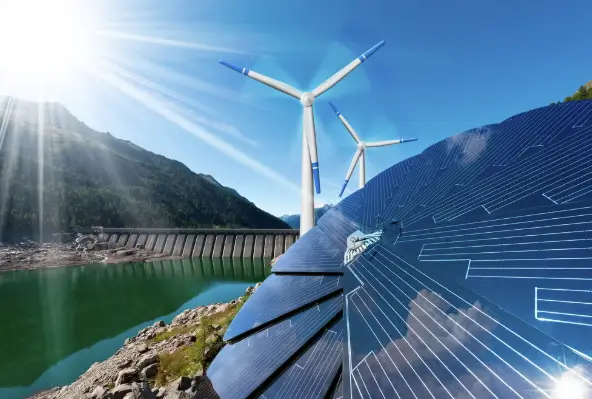
Technology in Renewable Energy Systems integrates wind, solar, and hydro with advanced power electronics, sensing, and AI-driven analytics. Digitalization enables real-time visibility, predictive maintenance, and autonomous operation. Edge computing reduces latency, while cybersecurity guards critical assets. The approach supports storage coordination, grid reliability, and market-responsive control through standardized interfaces and resilient governance. It promises measurable gains in efficiency and equity, yet unresolved challenges in integration and governance leave crucial decisions open to further examination.
What Technology Powers Modern Renewable Energy Systems
Modern renewable energy systems are powered by a convergence of technologies that convert natural resources into usable electrical energy with high efficiency and reliability.
The architecture integrates wind, solar, and hydro interfaces with power electronics, control algorithms, and sensing networks.
This digitalization effect enhances monitoring, sequencing, and fault detection, while grid reliability metrics guide interoperability, resilience, and standardized response strategies across diverse generation profiles.
How Digitalization Optimizes Storage and Grid Integration
Digitalization enhances storage optimization and grid integration by enabling real-time visibility, predictive analytics, and automated control across energy storage systems and transmission networks. It supports modular asset coordination, capacity forecasting, and market-responsive operation. Benefits include improved reliability and efficiency, enhanced grid interoperability, and reduced curtailment, while preserving system security. Careful governance ensures scalable data standards, open interfaces, and transparent performance metrics for stakeholders.
Smart Sensors, AI, and Real-Time Analytics in Action
Smart sensors, embedded AI, and real-time analytics constitute the core triad driving responsive energy systems. This framework underpins data collection, fault detection, and AI optimization across generation, storage, and grids. Edge computing enables low-latency processing, while robust cybersecurity safeguards operations. Predictive maintenance reduces downtime, enhancing resilience and efficiency; analytics translate telemetry into actionable insights for adaptive, autonomous energy management.
Building Resilient, Accessible Clean Power for Communities
Grid resilience is maintained through diversified sources, proactive maintenance, and transparent governance, aligning technical feasibility with equitable energy access and long‑term sustainability.
Frequently Asked Questions
What Are the Cost Drivers of Renewable Energy Technologies Over Time?
Costs drivers evolve with scale, learning, and policy, while technology maturation compresses hardware and integration costs; capital, financing, and operation expenses shift as markets mature, affecting levelized costs and resilience, guiding strategic investment despite uncertainty and shifting incentives.
How Do Policy Incentives Impact Project Viability and Adoption Rates?
Policy incentives illuminate project viability and adoption metrics, acting as catalysts that shift risk-reward perceptions. They influence financeability, timelines, and scale, shaping investor confidence; adoption metrics then reflect policy effectiveness, market response, and the freedom to deploy renewables.
See also: Technology in Remote Learning
What Are End-Of-Life Disposal and Recycling Options for Renewables?
End-of-life disposal and recycling options for renewables involve complex pathways, with Disposal challenges persisting for certain components; Recycling innovations are advancing processes and policies to recover metals, reduce waste, and enable sustainable, autonomous energy futures.
How Can Grid Reliability Be Maintained During High Renewable Penetration?
Grid resilience can be maintained through demand response, energy storage, diversified generation, and flexible fast-riring capacity; transmission upgrades essential to reduce bottlenecks, enable geographic diversity, and support rapid balancing as high renewable penetration emerges.
What Are Equity Considerations in Deploying Clean Energy Projects?
At first glance, equity considerations shape access, benefits, and burdens in deploying clean energy projects. They determine deployment financing, allocate risks, and ensure inclusive participation, aligning policy aims with community resilience and transparent, accountable project development.
Conclusion
As renewable energy systems evolve, the convergence of wind, solar, and hydro with advanced analytics and edge computing tightens the feedback loop between generation and demand. Yet, critical thresholds remain—security, interoperability, and equitable access. The emerging governance models and standardized interfaces promise resilience, but their realization hinges on disciplined implementation and vigilant oversight. The next frontier remains unseen: autonomous, globally synchronized grids that adapt in real time, unveiling both opportunity and risk in equal measure.




 Can Crypto Be a Hedge Against Inflation?