

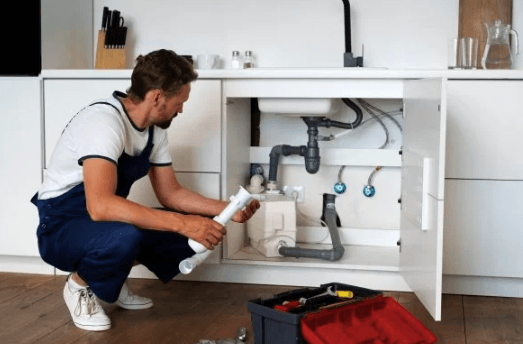
Common plumbing repairs span leaks, worn cartridges, valve adjustments, reseating fixtures, and routine drain clearing. Ballpark costs depend on issue type, accessibility, and local labor rates, from inexpensive cartridge swaps to full component overhauls. Materials, labor intensity, and permits shift prices, while planning and durable fittings offer meaningful savings. Insulation and leak detection can lower long-term costs and improve reliability, but the exact value varies by system and spot. The cash impact warrants careful cost forecasting before committing to a fix.
What Counts as a “Common” Plumbing Repair
A “common” plumbing repair refers to maintenance tasks and fixes that occur with high frequency across residential and light commercial systems, typically arising from standard wear, material aging, or routine misuse.
The scope includes leak containment, fixture reseating, valve adjustment, and drain clearing.
Common misconceptions are minimized by precise definitions; skill requirements vary, measured by task complexity, tool access, and safety prerequisites for professional-grade remediation.
Ballpark Costs: Typical Price Ranges by Issue
Cost estimates for common plumbing issues vary by issue type, component accessibility, and regional labor rates. Ballpark ranges reflect severity and ease of repair, from minor leaks to complete replacements. Typical low-cost upgrades emphasize straightforward cartridge or valve replacements, while material comparisons reveal price and longevity differentials. Numeric bands guide budgeting, with estimates narrowing by fixture type, access, and project scope.
Factors That Shift the Price (Materials, Labor, and Location)
Factors that shift pricing in plumbing projects derive from three primary dimensions: materials, labor, and location.
Cost drivers include material grade, compatibility, and disposal needs, which modulate unit costs and lead times.
Labor intensity, permit requirements, and crew expertise quantify hourly rates.
Regional pricing variations reflect market demand, supply chain access, and transportation.
See also: Technology in Remote Learning
Money-Saving Strategies Without Skimping on Quality
Smart budgeting in plumbing can yield meaningful savings without compromising reliability by combining upfront planning, cost-aware material choices, and process efficiencies. In practice, strategies emphasize leak detection efficiency, prioritizing durable fittings, and optimizing service windows to minimize labor hours. Pipe insulation reduces heat loss and freeze risk, delivering measurable annual savings. Quantitative benchmarks: payback within 1–3 years under typical residential usage.
Conclusion
In a field where small failures cascade into costly disruptions, the arithmetic of fixes matters. The article quantifies common repairs, tethering price to component, labor, and locale with clear ranges. Yet beneath each line item lies uncertainty: hidden corrosion, inaccessible valves, permit delays. The final tally depends on condition and timing. Readers are left weighing immediate cartridge swaps against thorough overhauls, forecasting future reliability. The understated takeaway: prudent planning may defer expense—and reveal the true cost of neglect.

 What Patients Actually Need to Know About Compounded Tirzepatide in 2026